We didn’t contact many architects when we kicked off the project. We had worked with Rick Chesmore of Chesmore + Buck, on our previous Bellevue mid century modern home. He had a great appreciation of mid century architecture and we knew his sensibility would be a perfect fit for the new project. The other architect we discussed the project with early on was actually a Hilltop resident who had handled other renovations on the hill. But his retirement took him out of the running which meant that Rick became our primary option.
We sent him an email over the weekend explaining that we had purchased a house in Hilltop. First thing Monday morning we had a response from him asking which lot and by 9:30 am we were on site with him and his partner Dave Buck. We walked the lot and the house and we shared some of our early ideas and hopes. At the end of the conversation he asked pretty bluntly, “What do we need to do to get this project?” Our response was pretty simple- “just accept the challenge.” They were excited to take on the project and we were glad to have a passionate partner on board to help us transform the place.
We sent a pretty straightforward brief to them later in the week along with our budget hopes. The primary goals of the program were to bring the main living space up to par, updated mechanicals throughout, be green when possible, honor the language already established, keep the final foot print fairly modest in today’s standards, take advantage of the view and open up where possible. We wanted to use the ethos of the original building as a starting point which was to be low maintenance, fairly utilitarian and use material in interesting ways. We want to update the home, add a proper master and highlight the mid century aspects but not turn it into a time capsule.
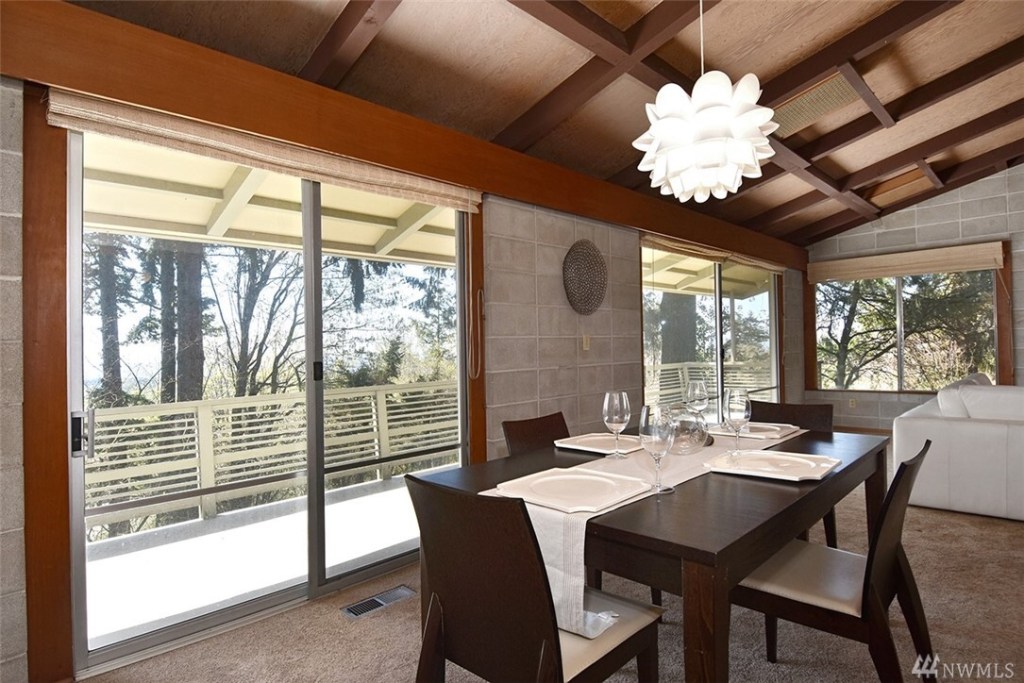
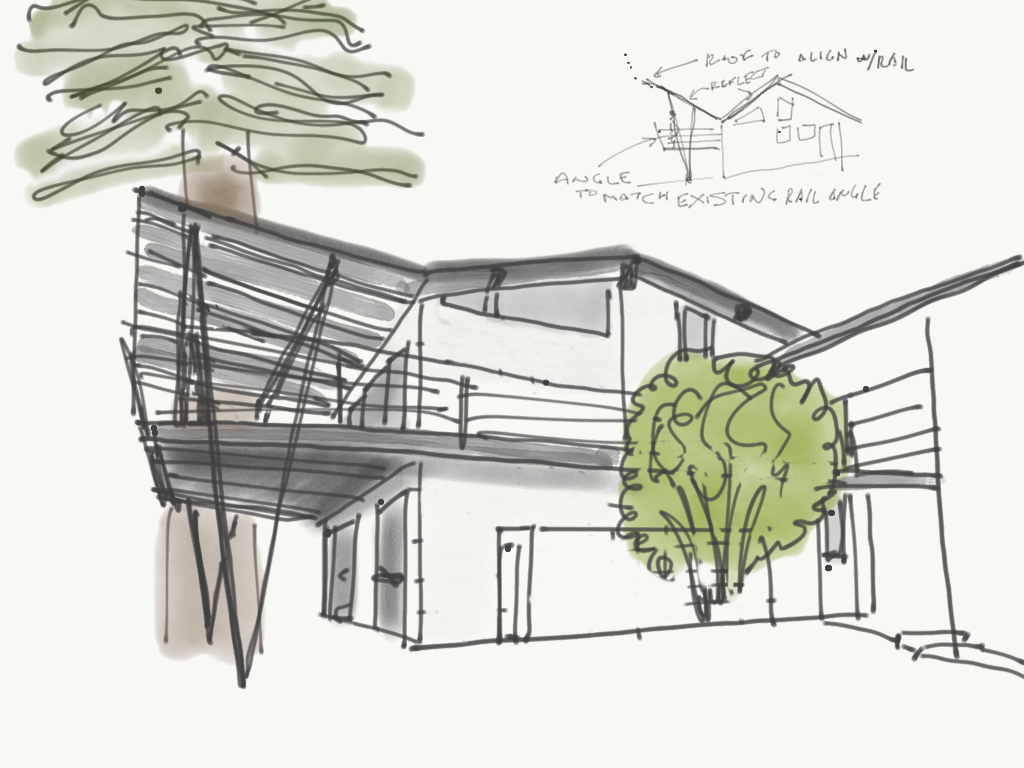
One of the things that bothered us was the way the roof “pinched” the views of the backyard and how the cinder block blocked the best part of the views. Rick mentioned during the first walk through that we might be able to bring the roof back then add a butterfly roof that goes up instead. At the same time removing the cinder block in the middle of the wall and open it up as a single slider. Sounded like a great idea!
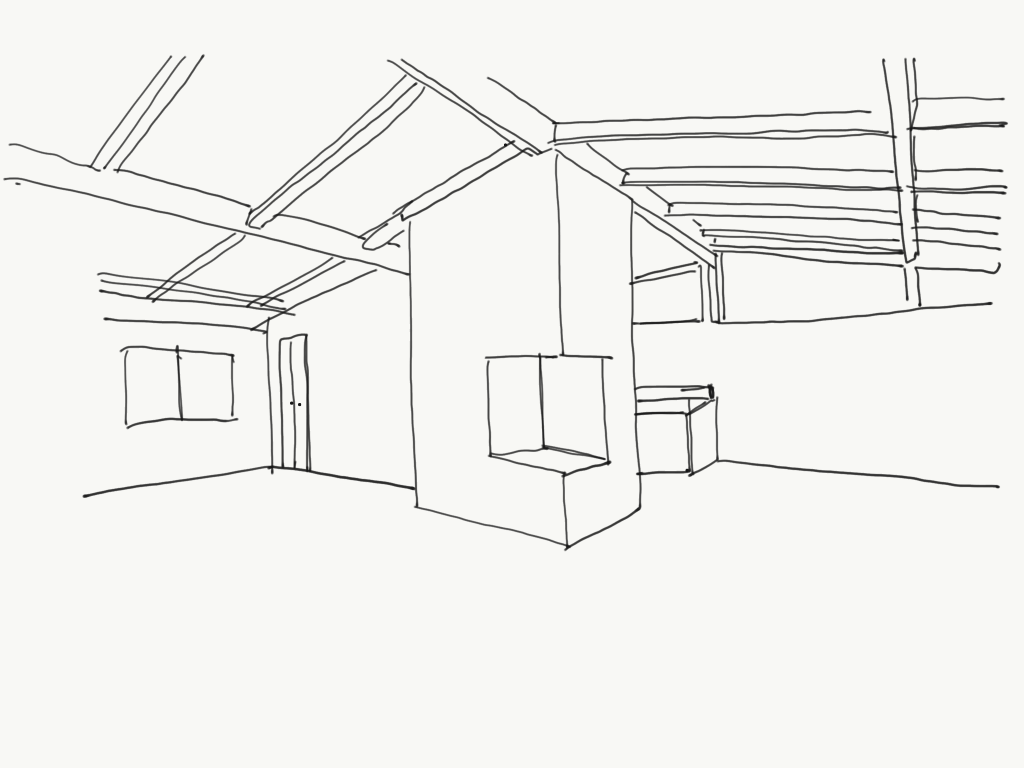
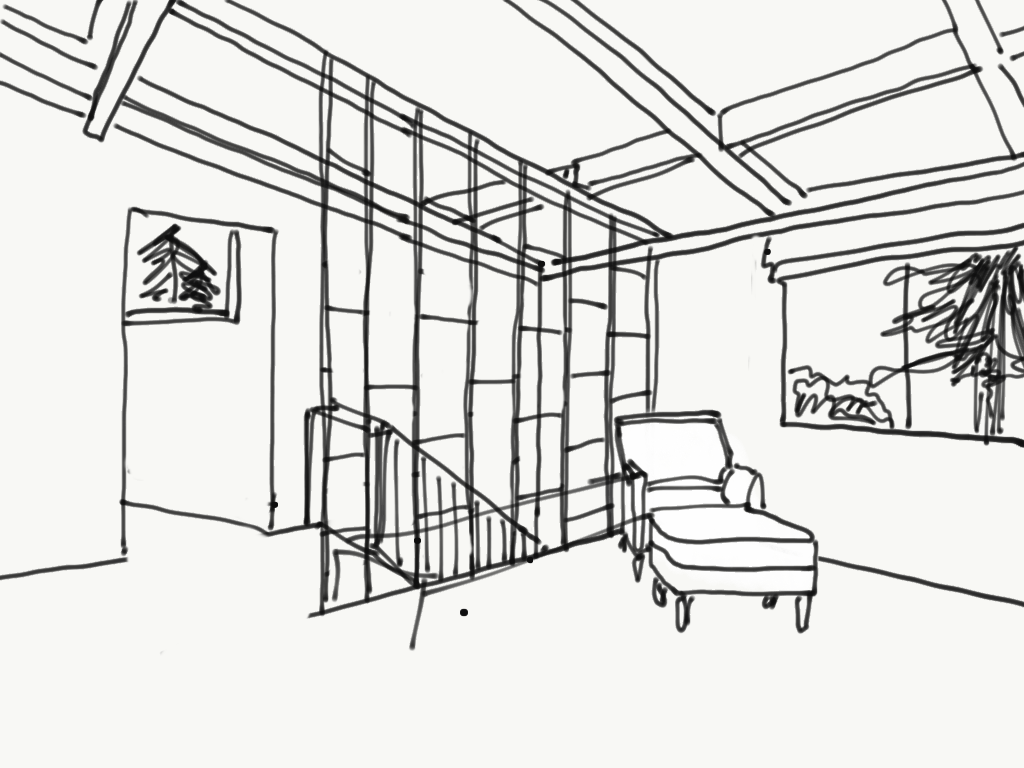
Robert took a stab at what that might look like with a quick sketch and sent it to Rick a bit later in the week. Rick’s idea would pretty much stay in tact though the details would certainly evolve. The raising and extending of the roof made extending the deck an easy decision. We were able to maintain protection from the southern exposure but get far more usable deck space.
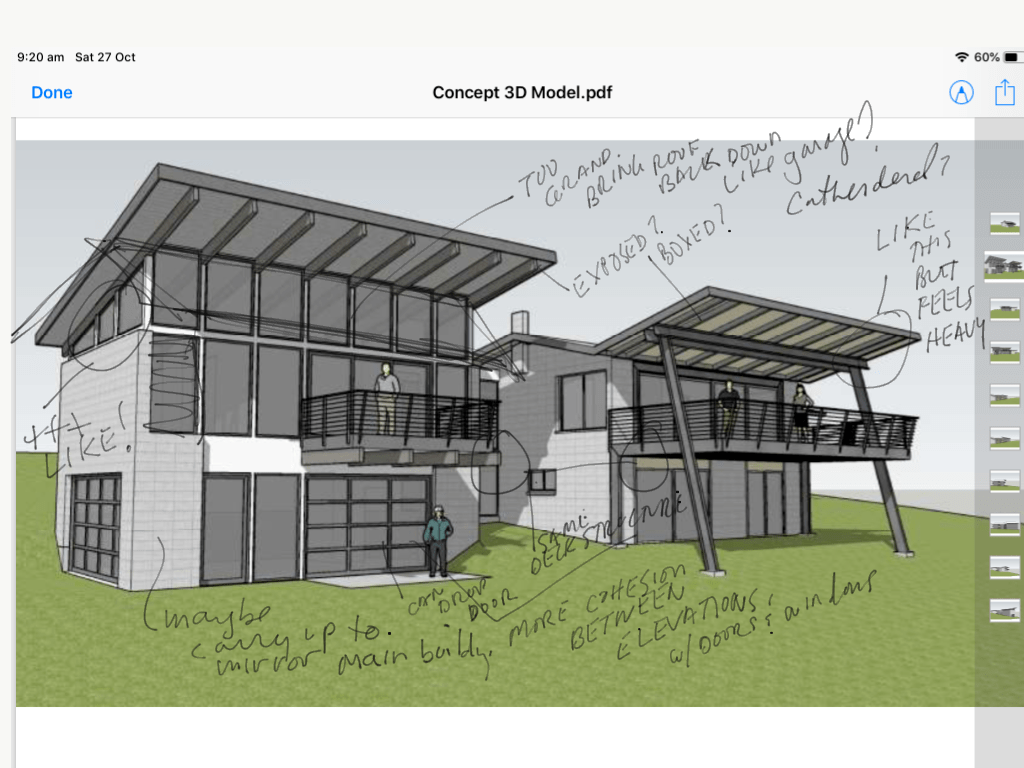
Once Rick and his associate, Robb Allen, got the plans they were able to convert to digital layouts and started on the overall plan. Our first impressions were that the new roofline on the existing structure was really working for us. We felt the addition, however, was overwhelming the existing structure and didn’t quite follow the vernacular established with the main building. The location of the addition is in the same place that the original plan had outlined as “future addition” which was great to see. We also really liked the use of another breezeway to connect the structure. So we would basically end up with three separate buildings, each joined to the other via breezeway.
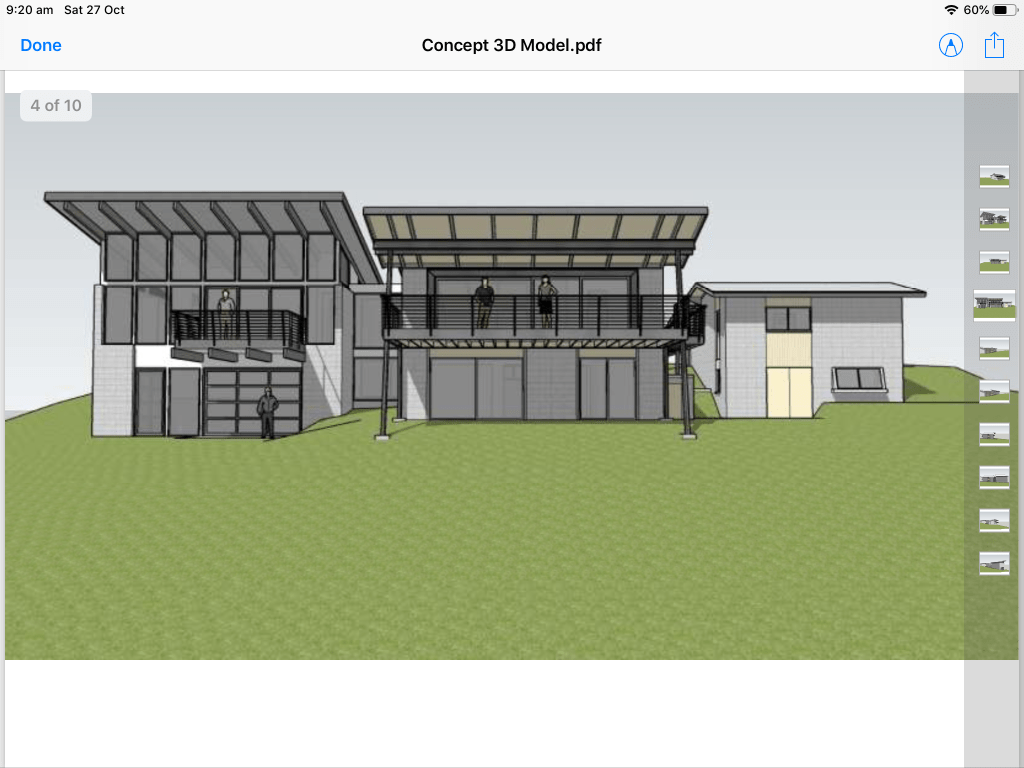
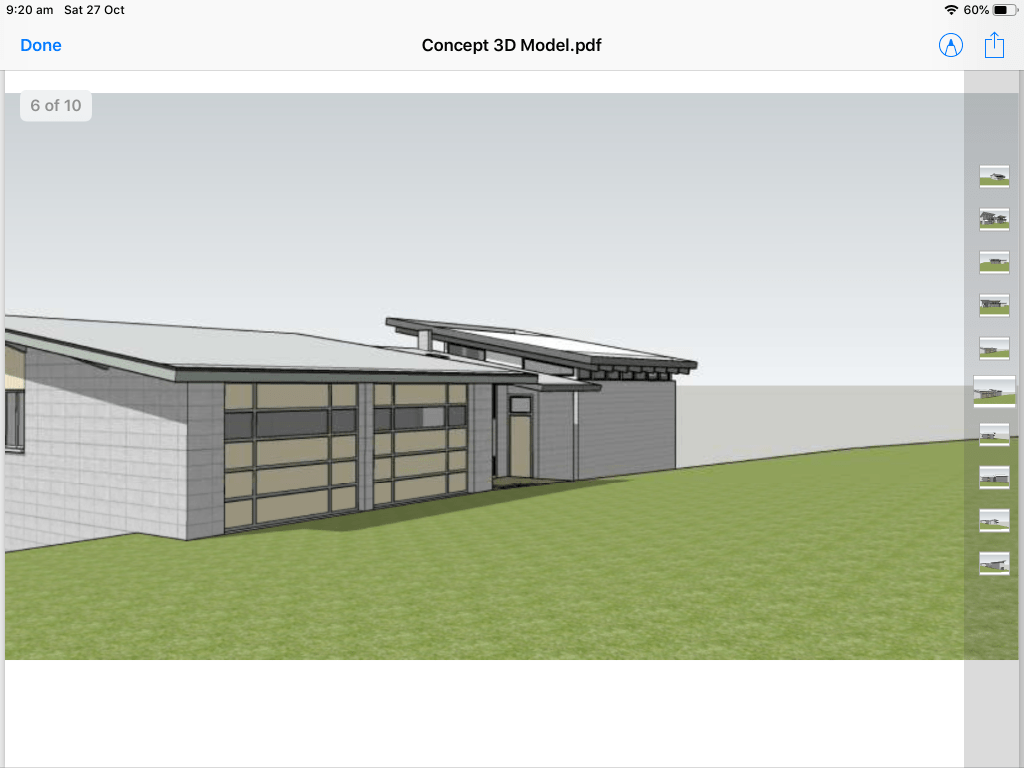


The next rev of sketches would be the ones we’d need take to the HOA to get approval of the plans so we’d want to make sure they were fairly tight. And we were fortunate that the next set were both more sensitive to the original language but also scaled more comfortably for us.
The HOA Architectural committee meeting
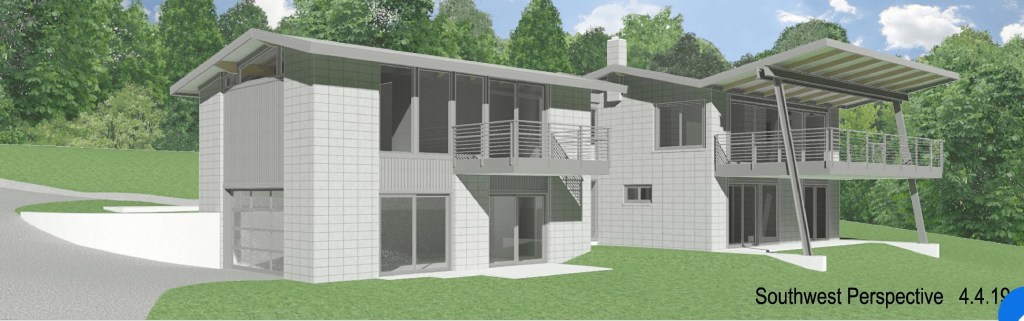
Well, we had a pretty good idea of what we wanted to accomplish and we felt confident that we’d honored the integrity of the original design and any updates really reflected the existing language. The Hilltop community is super active and very protective of the character and aesthetic of the neighborhood. A number of them are architects, many with strong opinions of their own. Rick offered to do the presentation to the committee, which was to be on a Sunday morning at the house. Rick printed out a larger version of the rendering above and explained the “whys” of each decision. The deck roof support was a bit controversial with questions regarding what other options we investigated since it was quite a dramatic departure from the existing “pinched” version. After some back and forth it was clear that we weren’t going to be able to get approval of the designs “as is” and that we’d need to take some of the feedback into account. The angle of the supports were to help with the engineering requirements because the wind is so strong from the south.
The majority of the feedback was quite complimentary regarding the design but the uniqueness and boldness of the structural support was too heavy in many people’s minds. Rick took the feedback in stride and had some ideas on how we could slim it down and maintain the integrity of the design.

We took this second round back a few months later to the HOA architecture committee and received the approvals we needed to move to permitting.
We asked Rick and team to create a model so we could envision the site and building in a more concrete way.


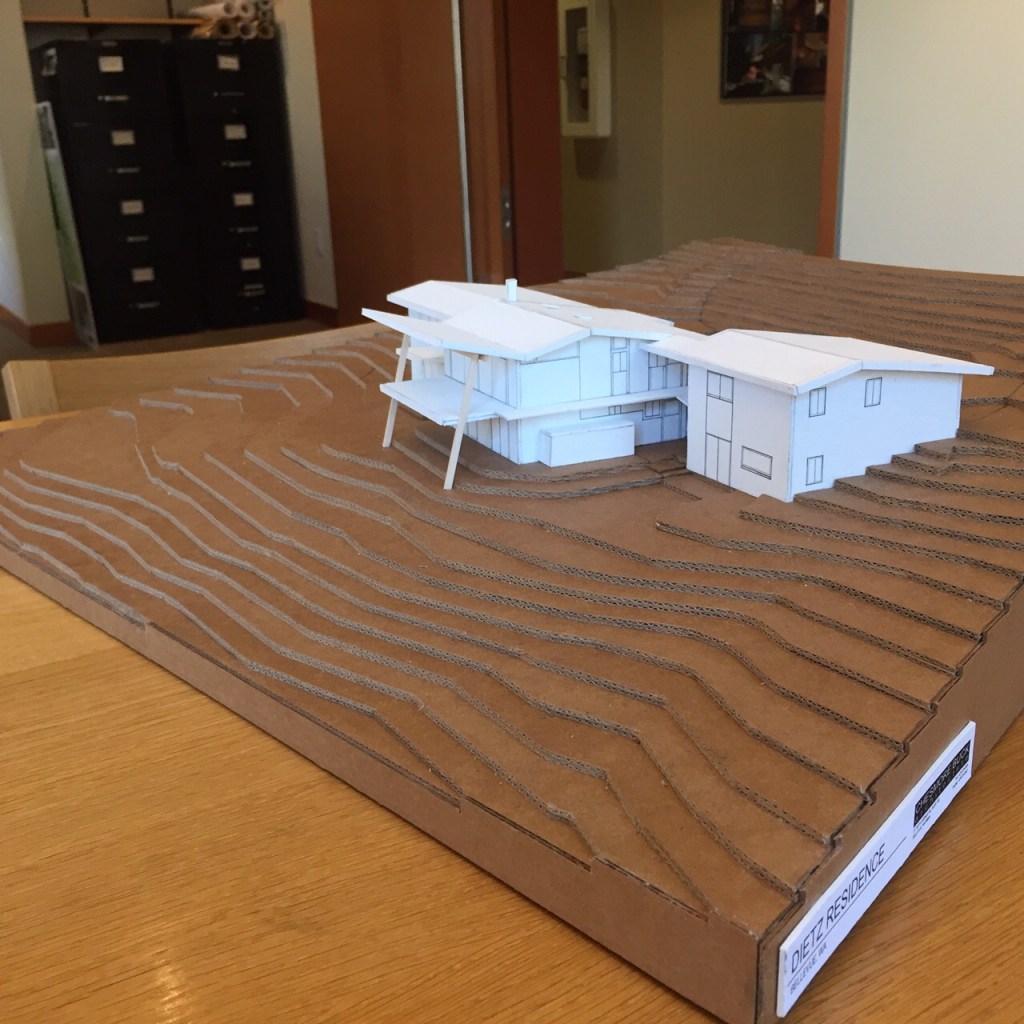
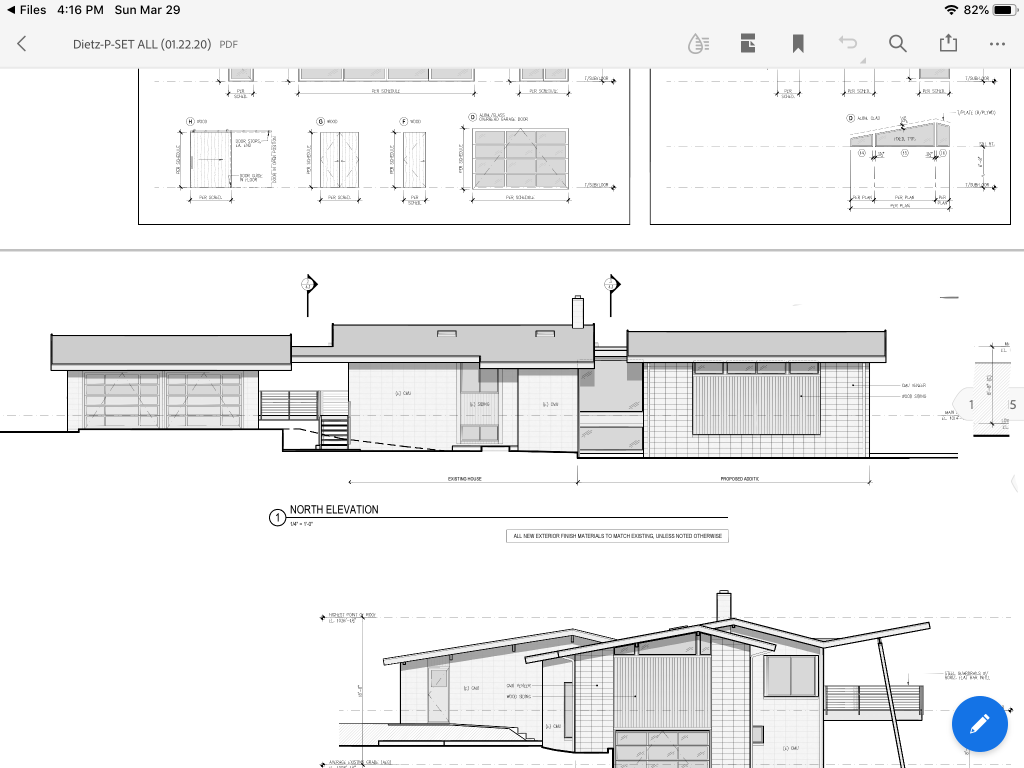
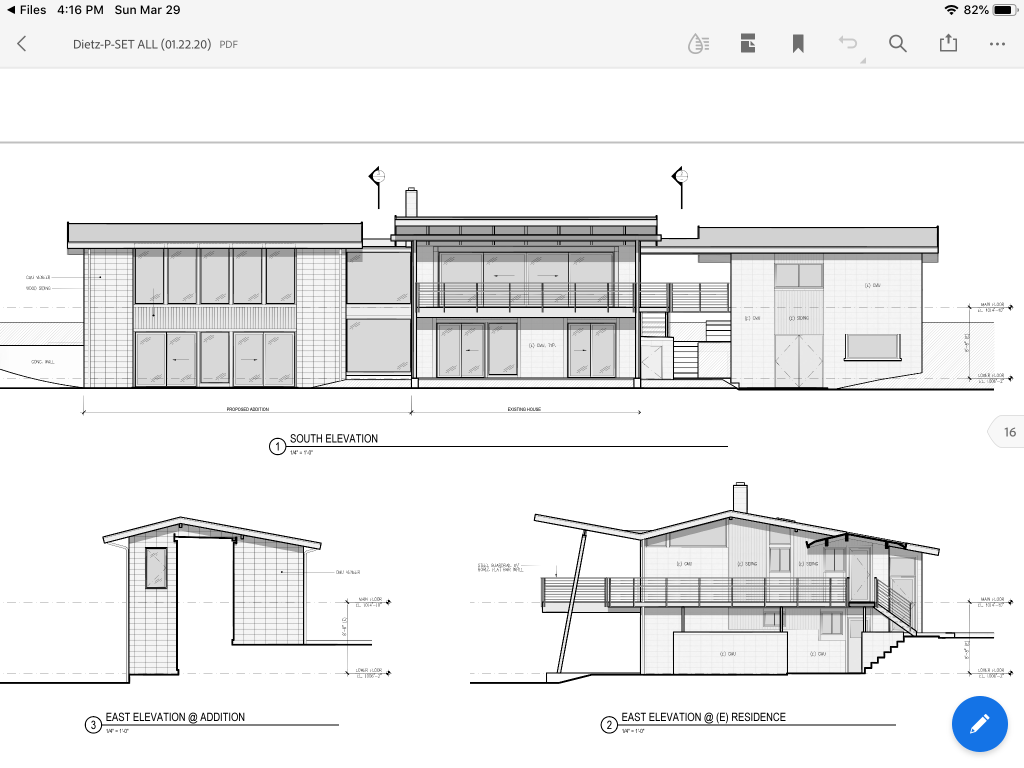
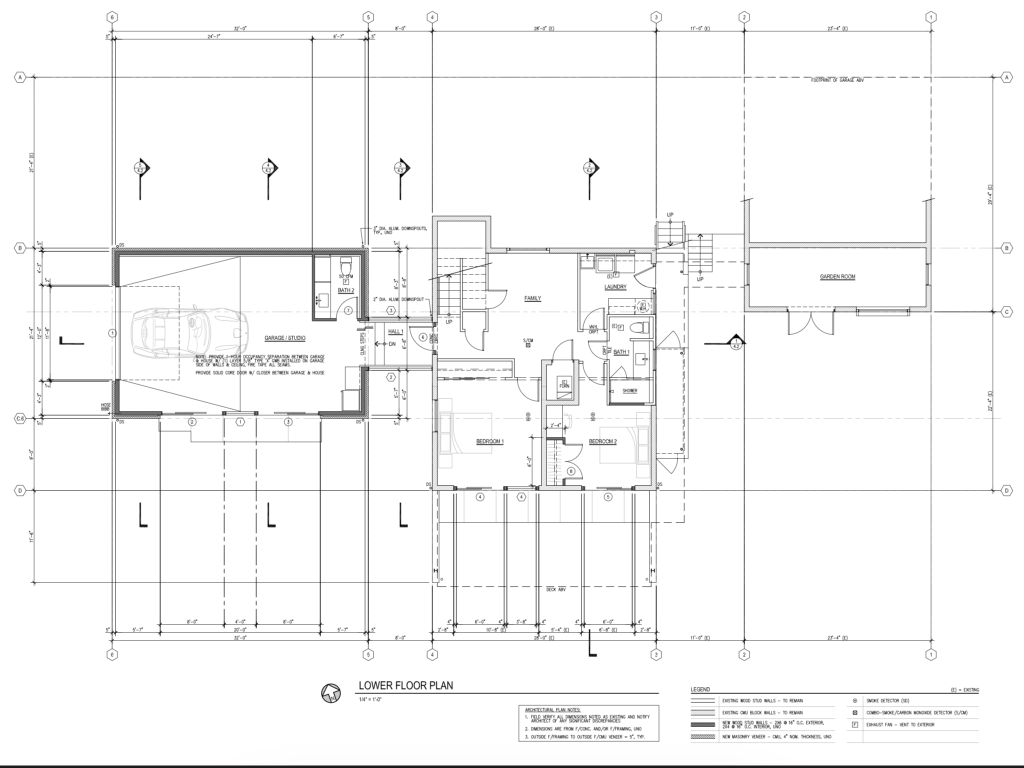
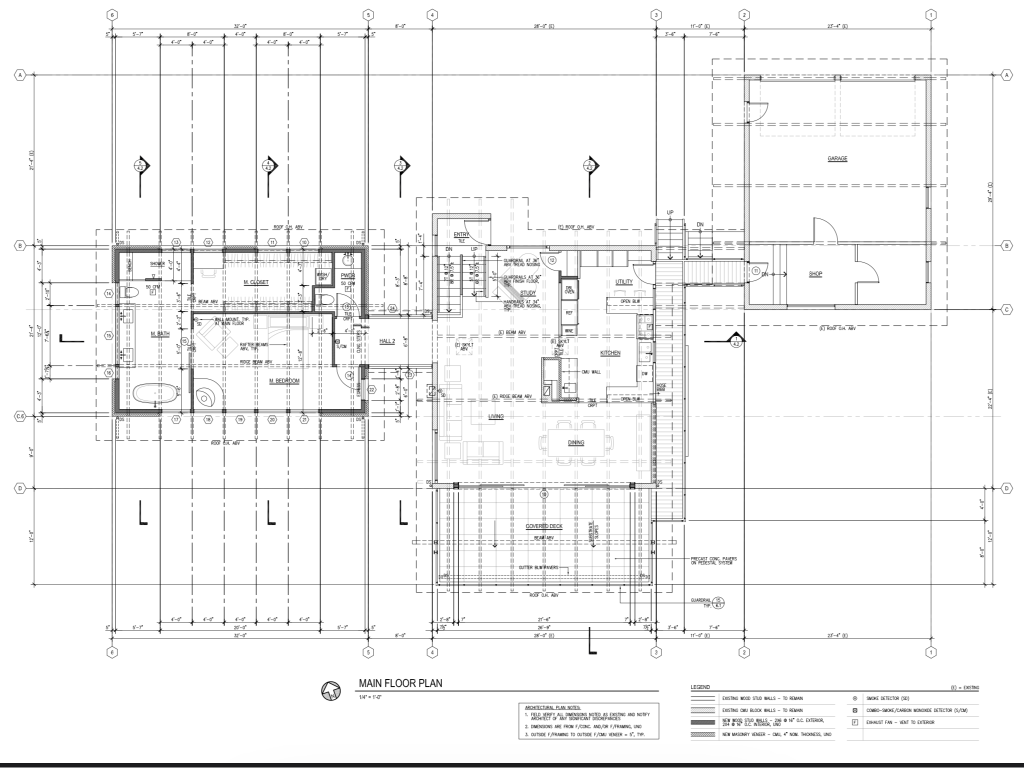
We are now complete on the plans and have our permit in hand. Though the COVID-19 pandemic is hindering our ability to come back to the US we are moving forward anyway. Construction starts soon! We’ll post the kitchen designs next as we’ve made a ton of progress there as well over the last few months. Stay tuned.


One response to “The design process starts”
I am so excited for you guys to get your project started!
LikeLike